Landscape photography often feels deceptively challenging. The scenes are vast, the light unpredictable, and every outing seems to present a fresh puzzle. Yet with just a few adjustments—not major gear upgrades or exotic locations—you can significantly elevate your results. Here are six practical steps that anyone with a camera can take to improve their landscape photography almost immediately.
1. Plan Your Shoot
Instead of heading out spontaneously, treat each landscape session as a short assignment. Decide on location, timing, and prevailing weather ahead of time. For example: if winds are strong and clouds heavy, a coastline or urban viewpoint may yield more dramatic skies and textures. If you’re after sunrise, determine where the sun rises, when it hits your subject, and use tools like map and weather apps to help. By giving yourself a framework—date, place, time—you increase both your motivation to go out and your odds of coming back with stronger images.
2. Slow Down and Explore
Once you arrive, resist the urge to sprint through your surroundings. Take a moment to walk around without your camera, observe the light as it shifts, and let your eyes settle on potential compositions. Rushing often means missing that subtle glow or shadow that turns a pretty view into a compelling photograph. Arriving early gives you breathing room; stay late if you can. The reward often comes not at the moment you arrive, but after you’ve given yourself time to see something new.
3. Use a Tripod
Blurry, unsharp images are a common frustration—and one of the most avoidable. A sturdy tripod stabilises your camera, letting you use slower shutter speeds, narrower apertures, and lower ISO values—all of which improve image clarity and depth. It also forces you to slow your process: frame, check, tweak, shoot. And if compositional depth or focus stacking becomes part of your workflow, a tripod will become indispensable.
4. Choose the Right Settings
To give yourself the best chance to capture a strong image, set yourself up to succeed technically. Shoot in RAW format so you retain maximum detail for later editing. Stick to your camera’s native ISO (often around 64–200) to minimise noise, and use apertures in the f/8–f/12 range which typically deliver optimal sharpness for many lenses in landscape contexts. Monitor your histogram and zoom in on your preview briefly to confirm focus and sharpness—these checks take seconds but save hours of disappointment later.
5. Master Composition Basics
Technical proficiency is essential, but without thoughtful composition the result can still feel flat. Use guiding principles like the rule of thirds, leading lines, the golden ratio, symmetry, or deliberate framing to give structure and depth to your images. Study other landscape photographs—not to copy them, but to understand how visual elements are balanced and arranged. After all, a scene doesn’t give itself to the camera; you decide how to frame it.
6. Develop Your Editing Workflow
Photography doesn’t end when you press the shutter. Dedicated editing time takes your good images toward great ones. Begin with a clear vision: what mood are you trying to evoke, and which part of the scene is your subject? Then use tools like graduated and radial filters to balance light, crop thoughtfully to strengthen the composition, and fine‑tune colour, contrast and clarity. A modest investment in editing skill will pay dividends in nearly every image from your shoot.
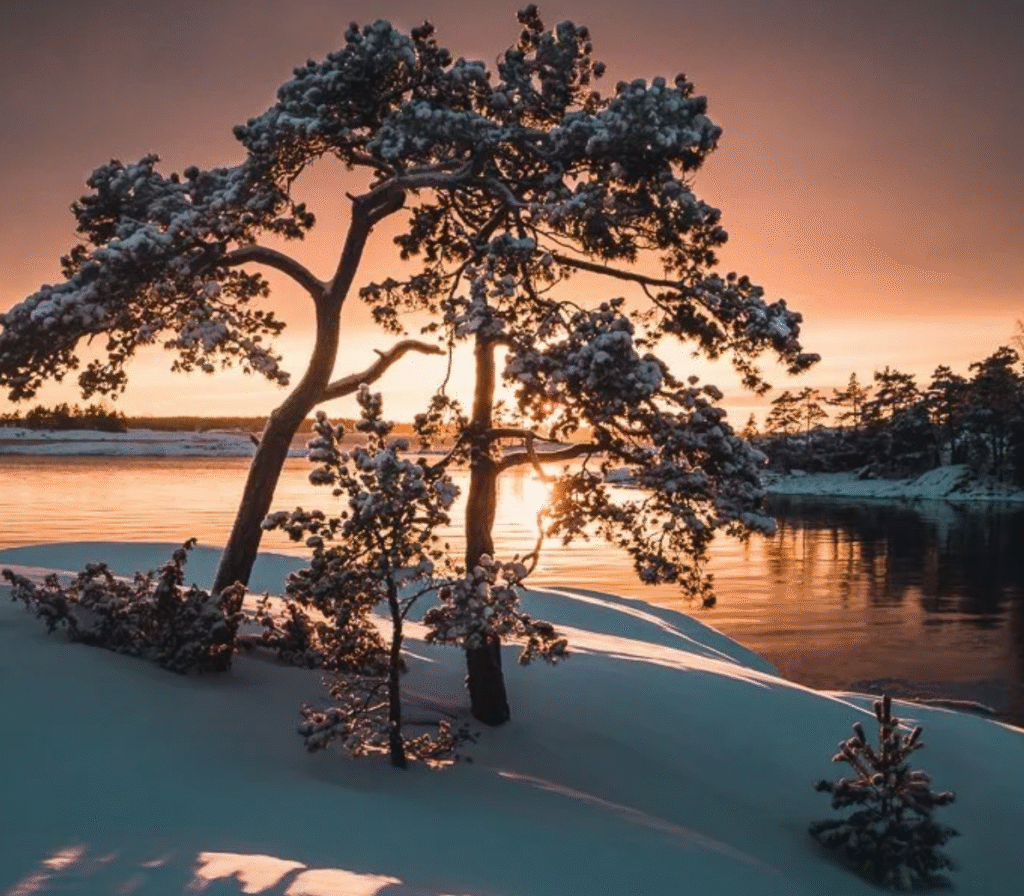
Each of these six steps—planning, slowing down, stabilising, setting up, composing deliberately and editing mindfully—works together. None is a massive leap, but collectively they bring a noticeable uplift to your landscape work. Remember: the goal isn’t perfection, but progress. With each outing you refine your eye, your process, your results. Stay observant, stay patient, and most of all, stay curious.ropolitan roads and hidden corners, and you’ll find that landscapes become less a photo challenge and more an invitation.