Over the past few years, I’ve shifted from photographing people to photographing food—and the transition has taught me one thing above all: food may sit still, but capturing it beautifully demands precision. I’ve been on shoots where we cooked, styled, shot and cleaned up all at once—so I’ve learned several tips and clever hacks that consistently elevate the result.
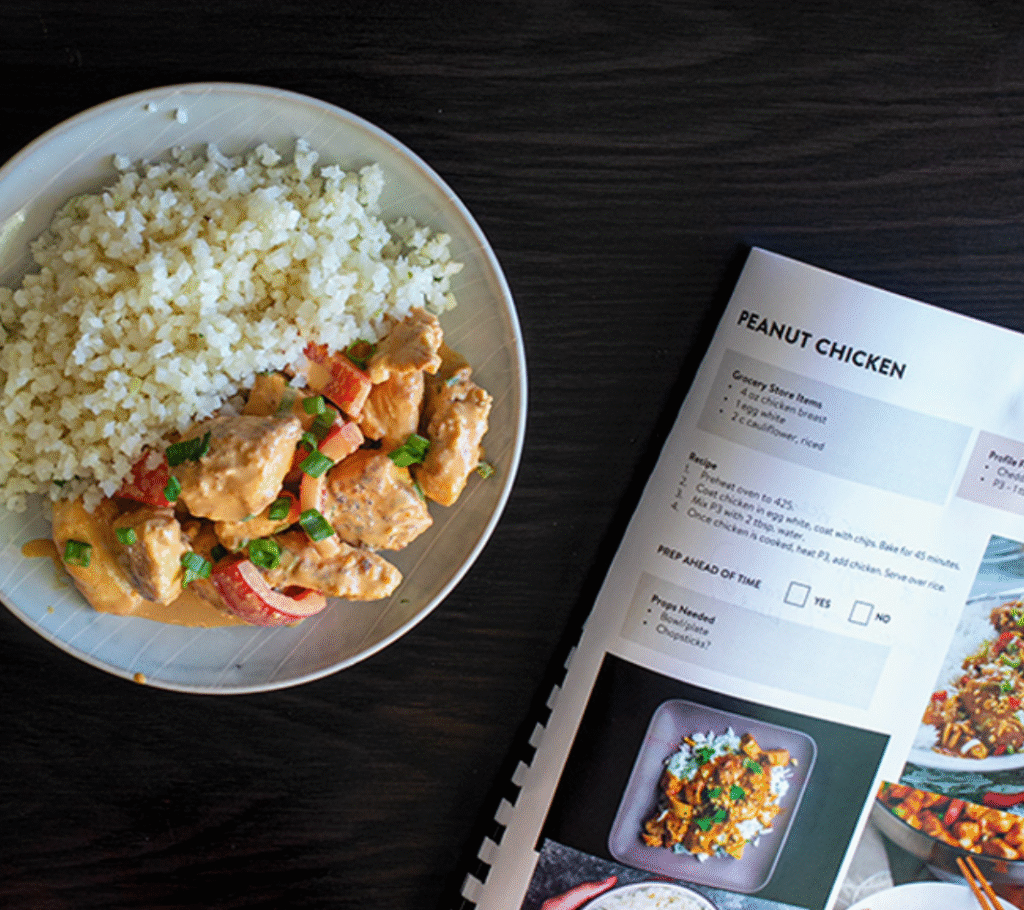
1. Prepare a shoot booklet
Because food-shoots often require multitasking—cooking, plating, styling and shooting—it helps tremendously to create a “shoot booklet” ahead of time. This booklet contains each recipe, prep steps and a handful of styling inspiration photos. With one team member cooking or prepping and another styling or shooting, the booklet serves as a roadmap that keeps everyone aligned and efficient.
2. Lighting matters
If there’s one thing I’m particular about, it’s lighting—and in food photography it’s absolutely critical. Natural light is my preferred choice for recipe shoots: we’ve worked in rooms with large windows right next to the kitchen so we could capture dishes during daylight hours. In the winter, with limited sunlight, we shifted to studio lighting for more control and drama. If you rely on daylight, plan your time judiciously. If you need a strong campaign look, consider going full studio.
3. Never turn your back on the broiler
It’s a simple but essential reminder: when something is under the broiler, don’t step away. One tray of enchiladas got ruined when we left the broiler unattended. On the flip side, accept that things won’t always go perfectly: cooking is part science, part art, and part improvisation. When things go off-script, adapt rather than panic.
4. Hacks that look weird—but work
Here are some unconventional but effective tricks:
- Motor oil + Scotchgard for pancakes: Regular syrup gets soaked up, loses its “shine” and slows you down. Using motor oil (thicker viscosity) and Scotchgard (which prevents soaking) keeps that glossy look you want for your shots.
- Shaving cream instead of whipped cream: Real whipped cream melts too fast under hot lights. Substitute shaving cream—it holds shape, behaves like the real thing visually, and frees you from the melting clock.
- Toothpicks = secret styling tool: Need to prop up garnishes, hold wraps together or swirl sauce with precision? Toothpicks save the day. They’re invisible in the final frame but mighty in styling.
- Mashed potatoes to fill bowls: When you’re shooting soup or layered dishes, fill the bowl about half to two-thirds with mashed potatoes so that all the visible toppings stay on top, reducing waste and making styling easier.
- Milk substitute for cereal shoots: Milk can make cereal soggy fast. Instead, use either glue (if you’re okay with the bowl being more “photo prop”) or hair product (yes, really)—things stay crisp, you have more styling time, and the cereal looks fresh longer.
- Leave vegetables raw (or semi-raw): For items like asparagus or pasta, skipping full cooking means they stay firmer, are easier to position and don’t wilt under the lights. The visual payoff is worth it.
5. Be ready, adaptable and intentional
Food shoots aren’t just about turning on a camera. They ask for coordination, quick problem-solving and a styling mindset. From prepping the food, monitoring cooking, setting up styling, adjusting lighting and shooting—all while keeping the dish looking its best—you need to move fast but stay deliberate. Accept that sometimes the recipe doesn’t cooperate and plan for workarounds ahead of time.
In short: when you approach food photography with structure, good lighting, smart hacks and a flexible attitude, you’ll get shots that look not only appetizing but composed, bold and thoughtfully styled. Whether you’re cooking for an editorial, cookbook or social feed, these tips will help you sharpen your process—and your results.