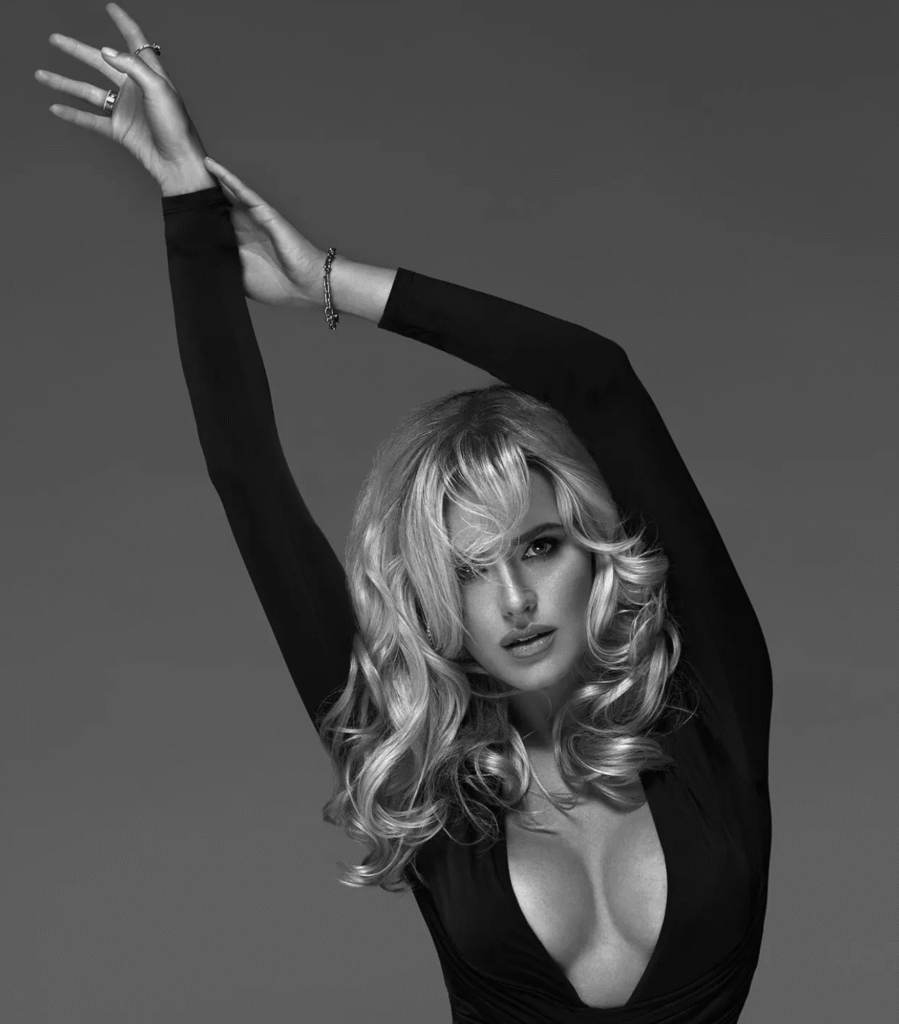
When you hear “fashion photography,” you might imagine models in couture under perfect studio lights—or perhaps the rush of a model walking down a runway. In truth, fashion photography is a broad field, combining elements of fine art, portraiture, product imagery—and a little lifestyle storytelling too. At its heart, fashion photography aims to sell not only clothing or accessories, but also a mood, an identity or a brand’s vision.
Understanding the Different Genres of Fashion Photography
Before you plan a shoot, it helps to know which style you’re working toward:
- High Fashion: This is the bold, artistic territory. Think experimental looks, strong concepts and edgy imagery. You’ll find these images in trend‑setting magazines or galleries, where creativity dominates.
- Editorial Fashion: Similar to high fashion, but more tailored for a brand or publication’s theme. These shoots often involve a concept team guiding hair, makeup, styling and story.
- Street Fashion: Capturing real‑life style on city sidewalks, coffee shops or urban environments. Although it may look spontaneous, many street fashion shoots are carefully composed.
- Runway Fashion: Fast‑paced, dynamic, often under challenging lighting. Here your job is to freeze movement, capture the energy of models and the show, and preserve the immediacy of the moment.
- Catalog Fashion: The aim here is straightforward: the product. Clean backgrounds, clear poses, little distraction—imagery meant to showcase what’s being sold.
- Look Book: A hybrid of catalog and editorial work. The purpose is commercial (show a brand’s collection), but the styling and setting lean toward story and vibe—not just plain backgrounds and static poses.
- Glamour & Advertising Photography: These genres focus on glamourized portraiture or brand messages. The model is central, beauty styling is amplified, and every visual choice serves a marketing goal.
Six Practical Tips to Elevate Your Fashion Photo Shoot
- Put Your Model at Ease
Whether you’re working with a seasoned model or someone new to the camera, comfort matters. The more relaxed and confident the model feels, the more effortless the imagery will appear. Start with conversation, benchmarking the mood of the shoot, and don’t be afraid to capture candid, off‑guard moments—they often feel the most natural. - Build a Story or Mood
A great fashion photograph isn’t just a pretty outfit— it tells something. Are you capturing a powerful businesswoman at dawn, coffee in hand? Or maybe a dreamy, sultry evening shot with flowing fabric and soft lighting? Create a mood board: gather inspiration around lighting, expression, setting and color so your team shares the same vision. - Choose an Appropriate Background
The background can make or break your image. If you’re using a plain studio wall, it may direct full attention to your subject and their clothing. If you’re shooting in the city, the environment becomes part of the story. Decide: is the background a distraction, or is it enhancing the narrative? Make that choice consciously. - Master Your Lighting
Lighting sets the tone. For a bold black‑&‑white studio look, you may need strong directional light and reflectors. For natural outdoor light, know how the scene evolves: sunrise, midday, sunset all offer different skin tones and shadow behavior. Always run test shots ahead of time—this will save you frustration when the model arrives. - Mind Composition and Angle
Too often photographers arrive with gear but forget to play with angle and framing. Don’t rely solely on head‑on shots. Try wide‑angle, low or high camera angles, movement, depth—think differently. The lens you choose will affect everything: a zoom lens may soften the background, while a wide‑angle will interact with the environment differently. - Match Outfits to Shooting Style
Clothes are your story’s protagonists. If the outfit is flowing and dramatic, consider motion shots—fabric whipping in the wind, movement through a city street. If the styling is tight and structured, perhaps minimal background and strong silhouettes serve best. Adapt your pose, lighting, environment and framing to the outfits—not the other way around.
Fashion photography is a creative playground. With the right planning—choosing the genre, clarifying mood, lighting deliberately, and working thoughtfully with your model—you’ll craft images that do more than display clothes. They’ll evoke a feeling, tell a story and draw the viewer in. Use these tips as your foundation, then build your own visual voice.